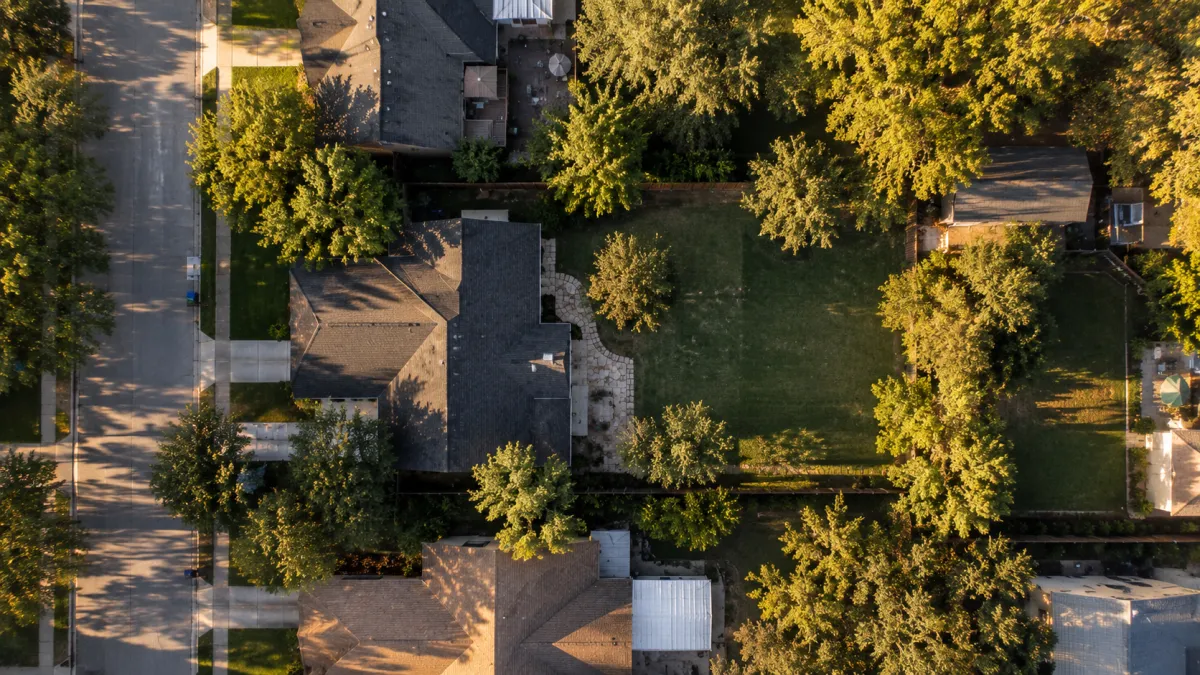
San Antonio, Texas : ADU rules
Let’s start with something that sounds made up but is completely real.
Elon Musk is worth around $700 billion. You know what he actually lives in? A 375-square-foot prefab box called a Boxabl Casita. He rents it from his own company. Cost him about $50,000.
The guy could live anywhere on earth and he chose a fold-out tiny house.
He’s not out here teaching a real estate masterclass. But without meaning to, he proved something worth paying attention to: small and smart is starting to beat big and empty.
And here is the part that directly matters to you if you own property in San Antonio: you can legally build something a lot like that in your backyard right now.
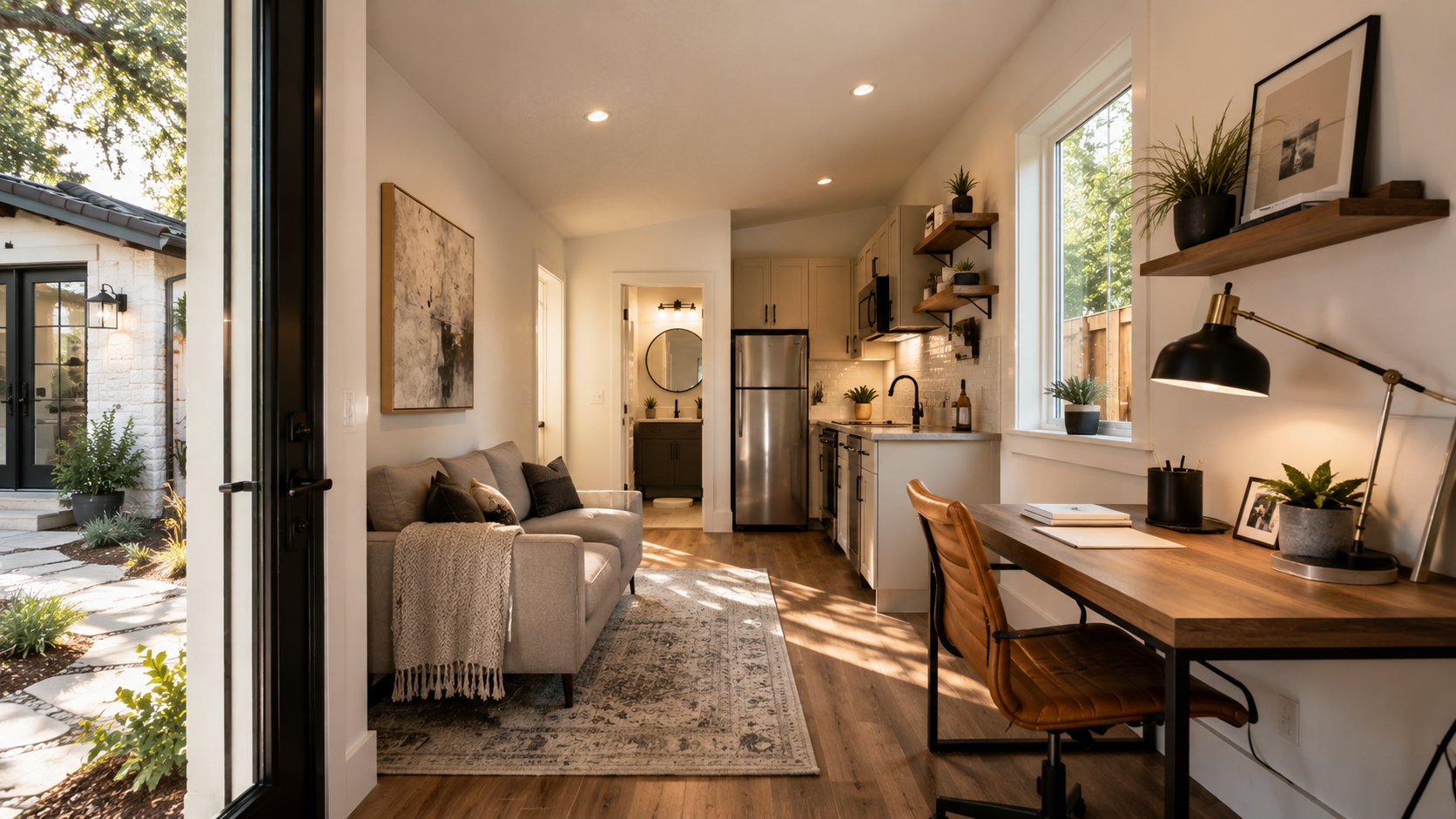
It is called an ADU - accessory dwelling unit. You might know it as a casita, a granny flat, a backyard cottage, or an in-law suite. Different names, same idea. A second, fully functional living space on a property that already has a primary home.
San Antonio has said yes to this. The rules are real, the process works, and the upside is bigger than most homeowners realize.
Here is everything you actually need to know.
Curious If Your Backyard Qualifies for a Casita? Let’s Find Out.
This is a five-minute conversation. I will tell you straight up whether your lot works, what it would take to make it work, or whether there is a better move for your situation.
Call or Text: (210) 985-7940
Email: [email protected]
Free Home Valuation: https://homevalue.gritgirlrealtor.com/
Linktree: https://linktr.ee/cheri.ettinger
Website: gritgirlrealtor.com
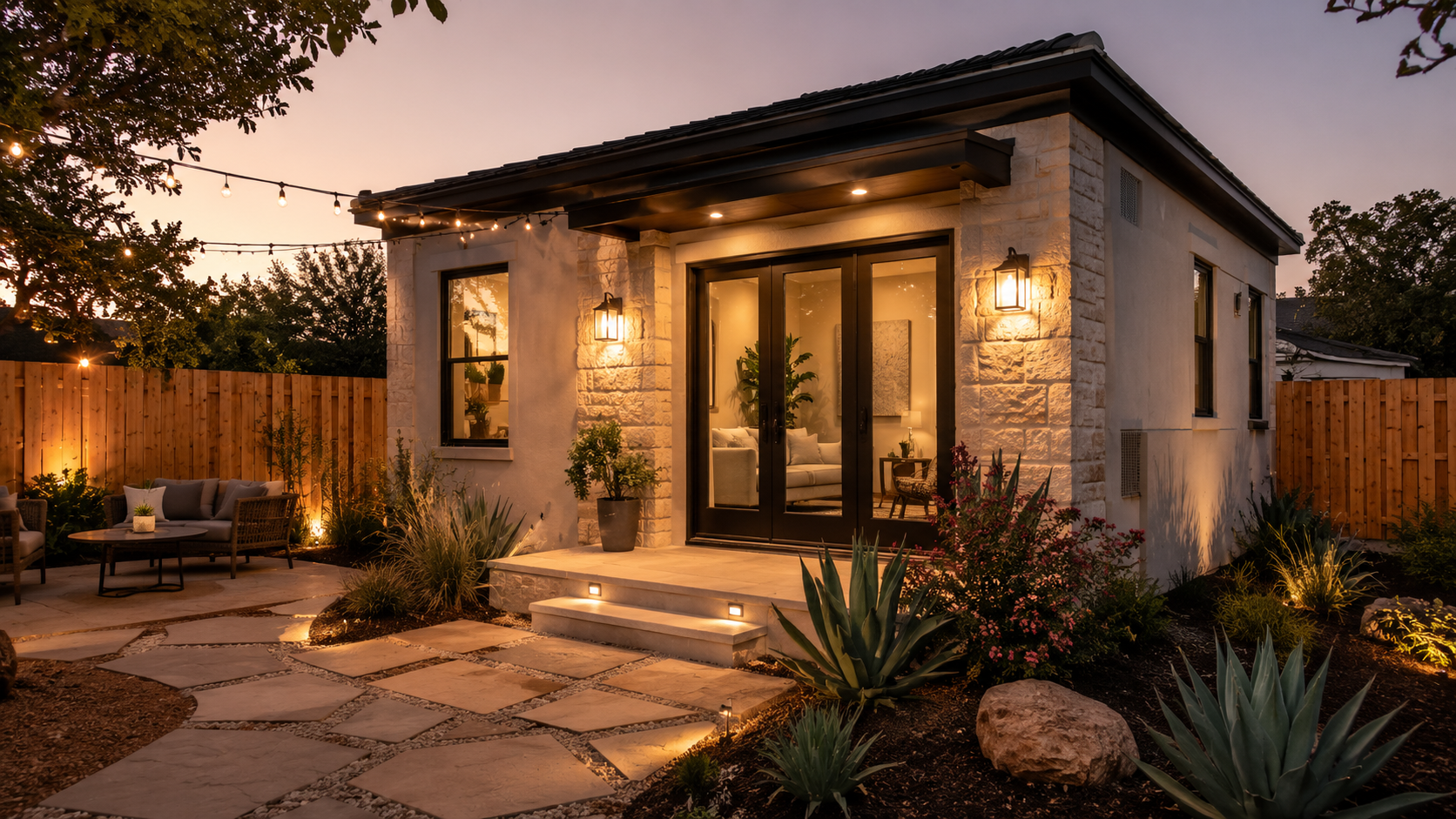
What San Antonio Actually Allows - No Fluff
The city of San Antonio permits ADUs on most single-family residential lots. Here is what the rules actually say, in plain language:
Size
Your ADU can be up to 800 square feet, or up to half the square footage of your main house - whichever is larger. The maximum is capped at 1,600 square feet.
So if your main house is 1,800 square feet, your ADU can be up to 900 square feet (half of 1,800). If your main house is 1,200 square feet, your ADU can be up to 800 square feet (since 800 is larger than half of 1,200).
That is a meaningful amount of space. A well-designed 800-square-foot unit is a full one-bedroom or two-bedroom apartment.
Height and Placement
Two stories maximum. Twenty-five feet tall maximum. The ADU must be located in your back or side yard - not in front of the primary home.
The Owner-Occupancy Rule
This is the one people always ask about. Either you have to live in the main house, or you have to live in the ADU. You cannot simply build a second unit, move out, and rent both.
San Antonio designed this rule to encourage real housing solutions - families who need space for aging parents, young adults returning home, or homeowners who want supplemental income while actually living on the property. It is not a loophole for absentee investors. It is a genuine living arrangement.
Other Key Notes
Standard setback requirements from property lines apply
A separate utility connection may be required depending on your setup
Short-term rental permits (Airbnb/VRBO) are handled separately from ADU permits
Zoning always needs to be verified for your specific lot before you plan anything
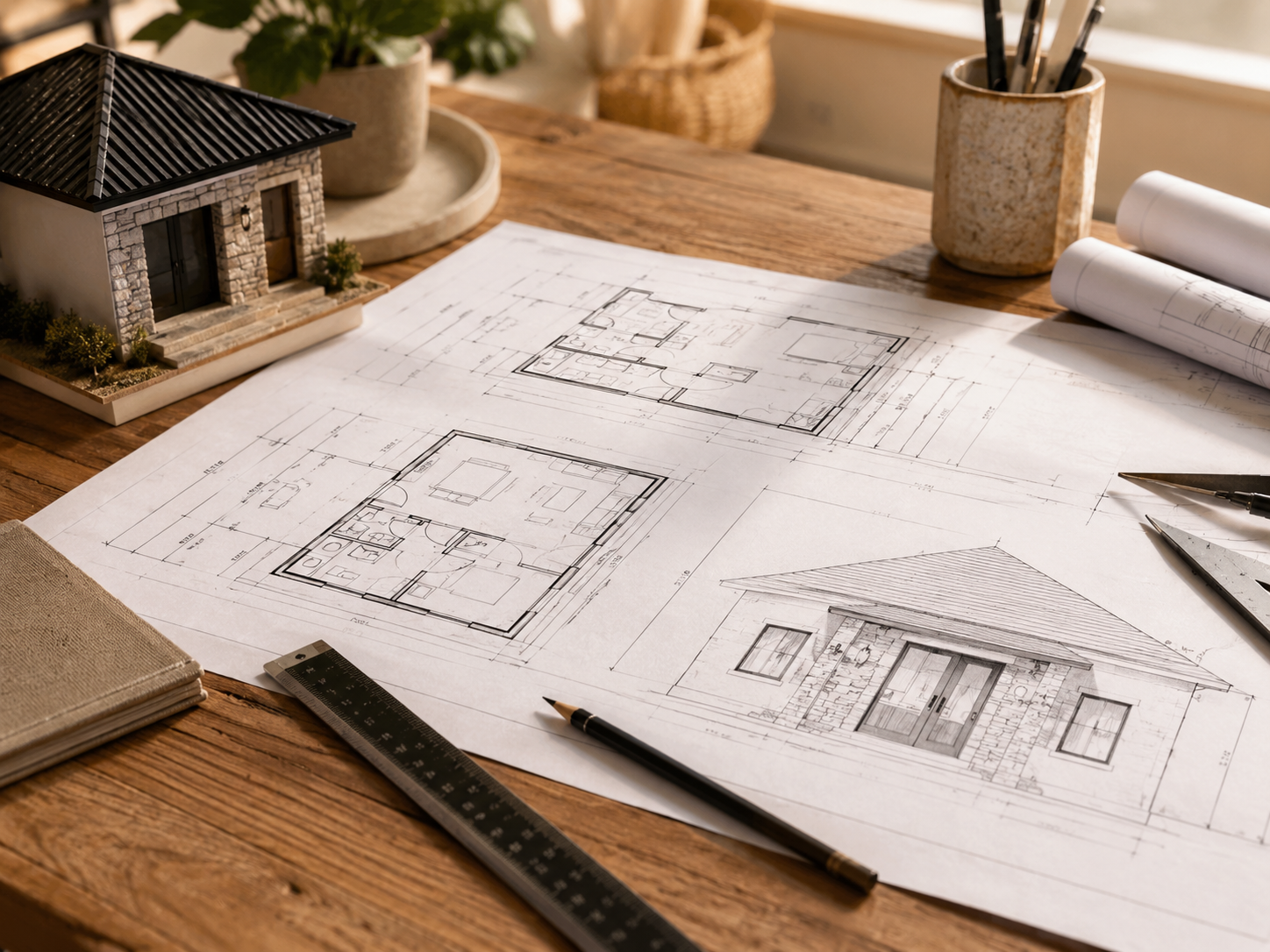
Why This Matters More Than Most Homeowners Realize
Let’s talk about why you should actually care about this.
Rental Income That Pays for Itself
A well-built 800-square-foot casita in a solid San Antonio neighborhood can rent for $1,000 to $1,500 per month or more, depending on location and finishes. Over a year, that is $12,000 to $18,000 in gross rental income from a structure sitting on land you already own.
Build costs for an ADU in San Antonio typically range from $80,000 to $150,000 depending on construction type, finishes, and whether you are converting an existing structure or building new. That sounds like a lot until you run the math on rental income over five to ten years.
A well-positioned ADU can pay for itself. And once it does, that income is ongoing.
A Place for Family Without Losing Privacy
This is the use case that comes up more than any other in my conversations with homeowners. Aging parents who need to be close but not inside your house. Adult children who are getting back on their feet. Extended family visiting for months at a time.
A casita solves all of this without the awkward situation. Everyone gets their own space. Everyone is still on the same property. It is one of the most practical things you can add to a home for multigenerational living.
Got a parent moving to San Antonio or an adult kid coming home? Call (210) 985-7940 and let’s talk through whether a casita makes sense for your property.
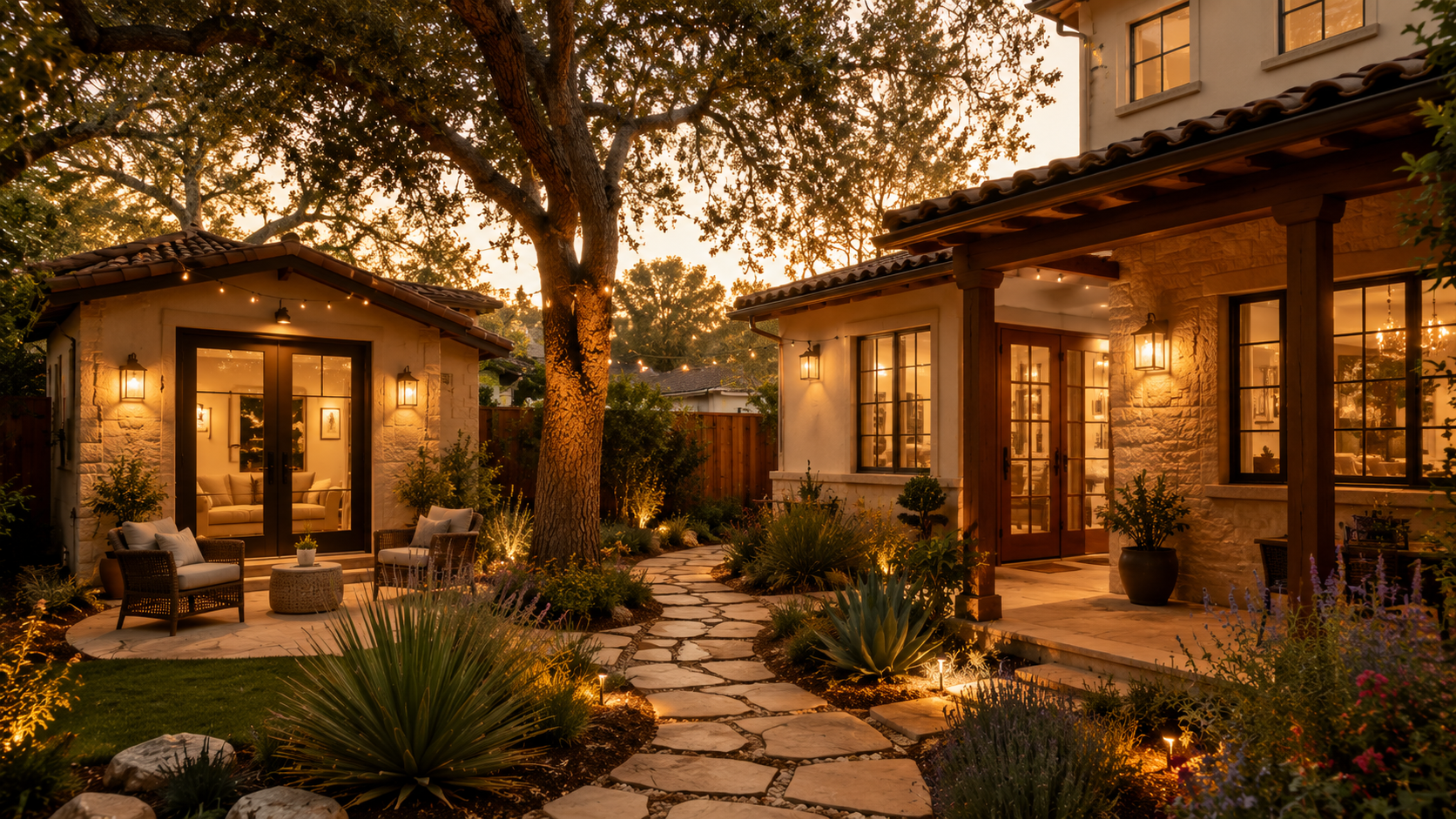
A Home Office That Pays You Back
If you are working remotely and your home does not have a dedicated office space, a backyard ADU gives you a fully separate professional environment. No commute. No distractions from inside the house. A real door you can close.
And when your work situation changes or you do not need it as an office anymore, it becomes rental income. The ADU does not care what you use it for - it holds its value either way.
Property Value That Goes Up
A permitted, well-built ADU adds meaningful appraised value to your property. We are talking $40,000 to $80,000 in added value in many cases, sometimes more depending on finishes, size, and location.
That means your ADU investment is not just generating income while you own it - it is making your property more valuable when you eventually sell.
If You Are Buying Right Now, Pay Attention to ADU Potential
Most buyers scroll right past lots with ADU potential. That is a mistake.
A lot that already has a permitted ADU is a turnkey income property on day one. A lot that has space and zoning clearance for a future ADU is an asset that most buyers are not pricing in - which means you might be able to acquire it at a discount relative to what it could actually produce.
When I walk properties with buyers, I am always thinking about what the lot can do, not just what the house already is. If a property has a large back yard, a detached garage, or existing outbuildings, that is worth a second look before moving on.
If you are actively house-hunting in San Antonio, ask me to flag ADU potential on every property we look at. It changes how you evaluate options.
Does Your Lot Qualify?
Here is how to think about it before we talk.
Your lot is likely a strong candidate if:
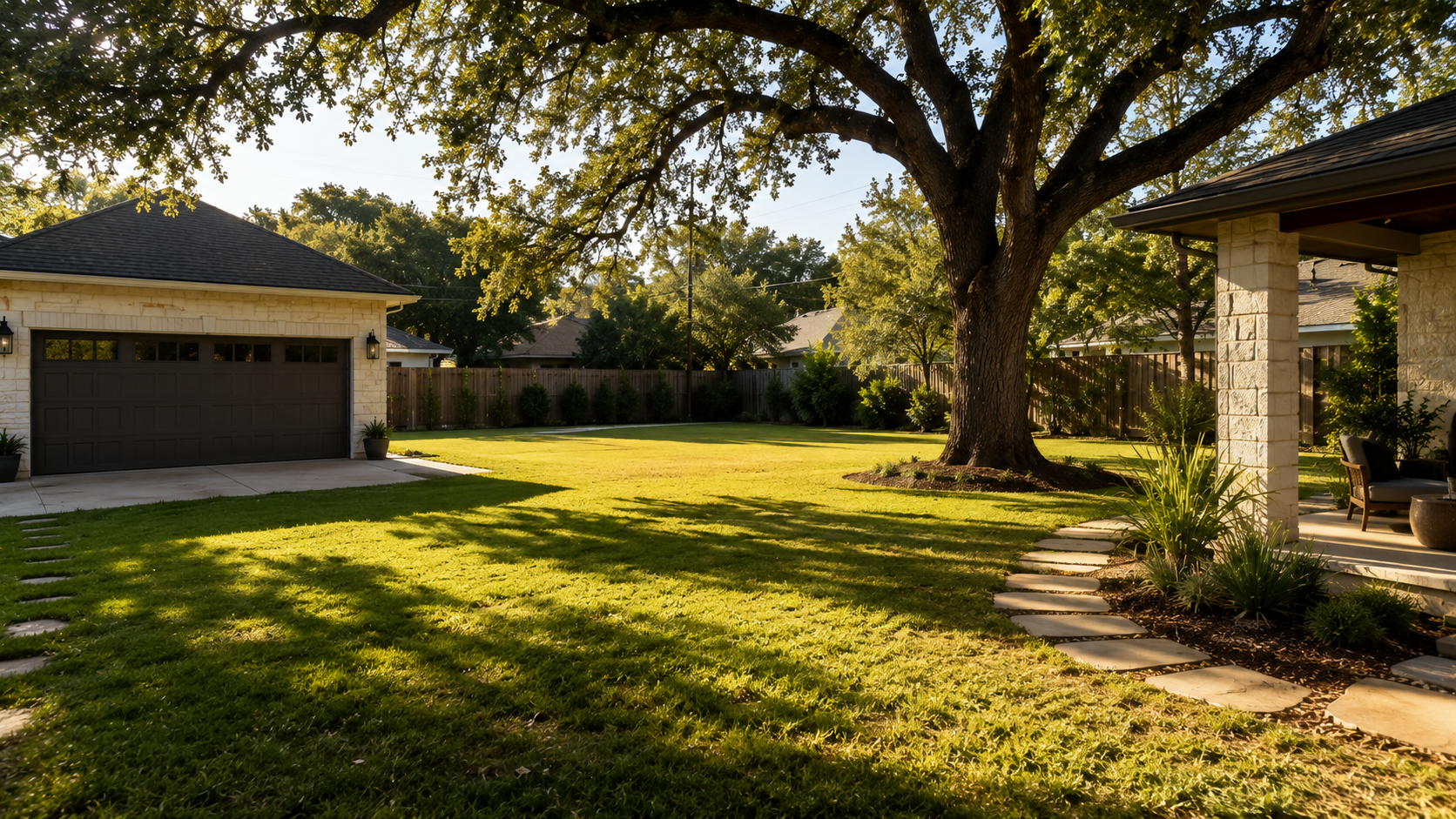
You have a backyard with at least 600 to 800 square feet of usable space (accounting for setbacks)
You are in a single-family residential zone (R-4, R-5, or similar) in San Antonio
You own and live in the primary home on the lot
You do not have deed restrictions or HOA rules that prohibit additional structures
Your lot might need more evaluation if:
You are in a neighborhood with an active HOA - HOA rules can prohibit ADUs even when the city permits them
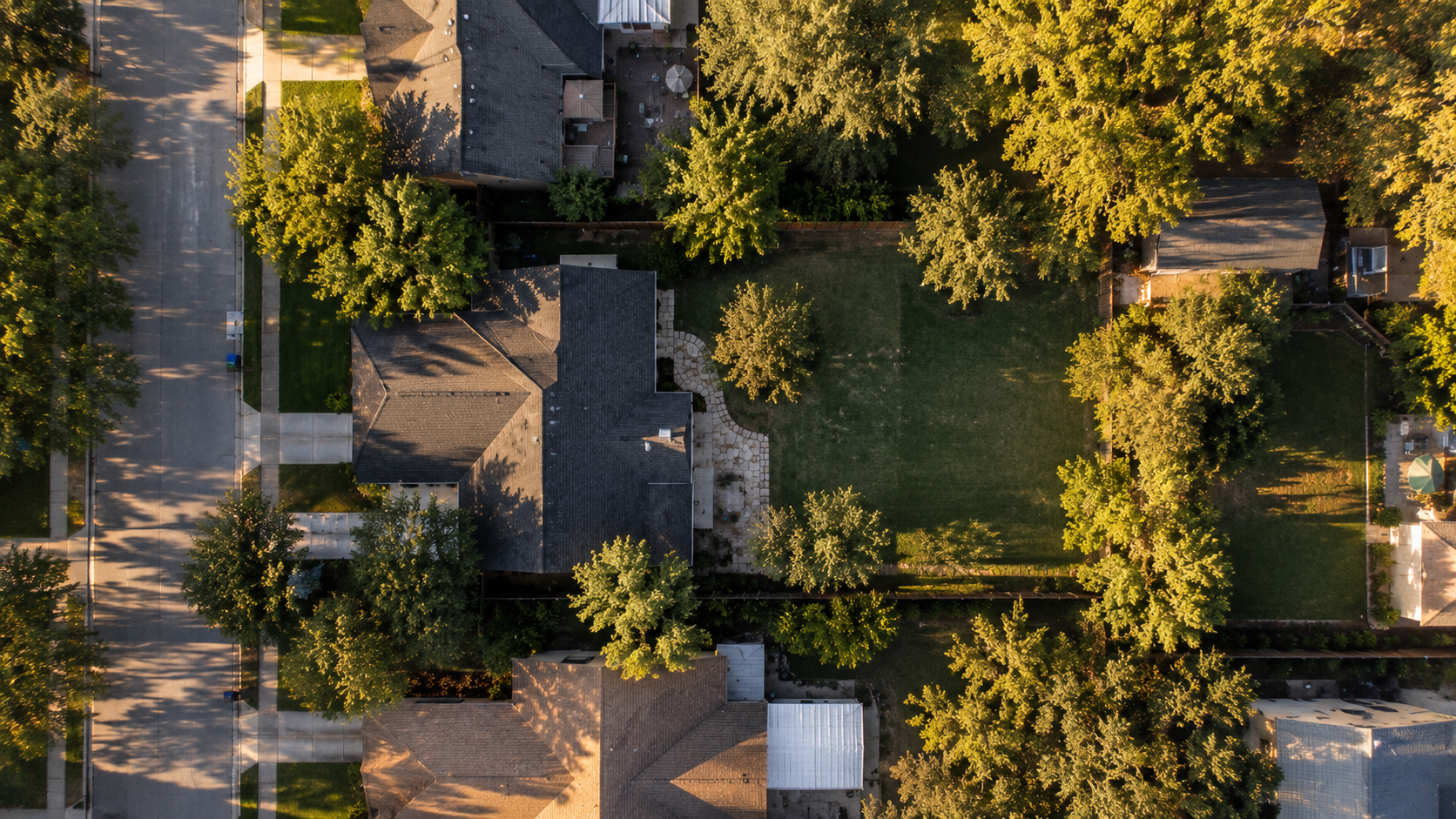
Your lot is unusually narrow, irregularly shaped, or has significant grade changes
You have an existing detached structure that may or may not be convertible under current code
The only way to know for sure is to assess your specific address against current zoning records, deed restrictions, and setback maps. I do this as part of the conversation. It takes about five minutes and you walk away knowing exactly where you stand.
FAQ: San Antonio ADU and Casita Questions
Can I use my ADU as a short-term rental like Airbnb?
Possibly, but it requires a separate short-term rental permit from the city, independent of your ADU permit. San Antonio has specific regulations around short-term rentals in residential zones. If this is your plan, it needs to be part of the conversation before you build.
Does building an ADU raise my property taxes?
Yes, most likely. A permitted ADU adds assessed value to your property, which means your tax bill will increase. The amount depends on the ADU’s size, quality, and location. That tax increase is typically more than offset by rental income if you are renting the unit, but it is something to factor into your financial planning upfront.
Can I convert my existing detached garage into an ADU?
In many cases, yes. A garage conversion is often the most cost-effective path to an ADU because the foundation and basic structure already exist. The garage needs to meet minimum ADU standards for ceiling height, insulation, windows, and habitability, but the savings over ground-up construction can be significant.
Do I need to hire a contractor or can I build it myself?
San Antonio requires permits for ADU construction, and permitted work must meet city inspection standards. While owner-builder permits are possible in some cases, most people find that working with a licensed contractor simplifies the permit process and protects the investment long-term. An unpermitted ADU creates serious problems when you try to sell.
What is the fastest way to find out if my lot qualifies?
Call or text me at (210) 985-7940. I will ask you a few questions about your lot, your existing home, and your neighborhood, and I can tell you within a few minutes whether it is a yes, a no, or a maybe-with-conditions. No obligation, no pitch. Just a straight answer.
Let’s Find Out What Your Property Can Do
Most homeowners in San Antonio are sitting on more potential than they realize. A back yard that looks like just grass is sometimes a casita waiting to happen - and a casita is rental income, family housing, a home office, and added property value all in one structure.
You do not need $700 billion to think smart about the space you have. You just need the right information and the right person to walk you through it.
Call or Text: (210) 985-7940
Email: [email protected]
Free Home Valuation: https://homevalue.gritgirlrealtor.com/
Linktree: https://linktr.ee/cheri.ettinger
Website: gritgirlrealtor.com
Cheri Ettinger | REALTOR ABR, PSA, RENE, NHC, NHSAC Option One Real Estate | San Antonio & Texas Hill Country