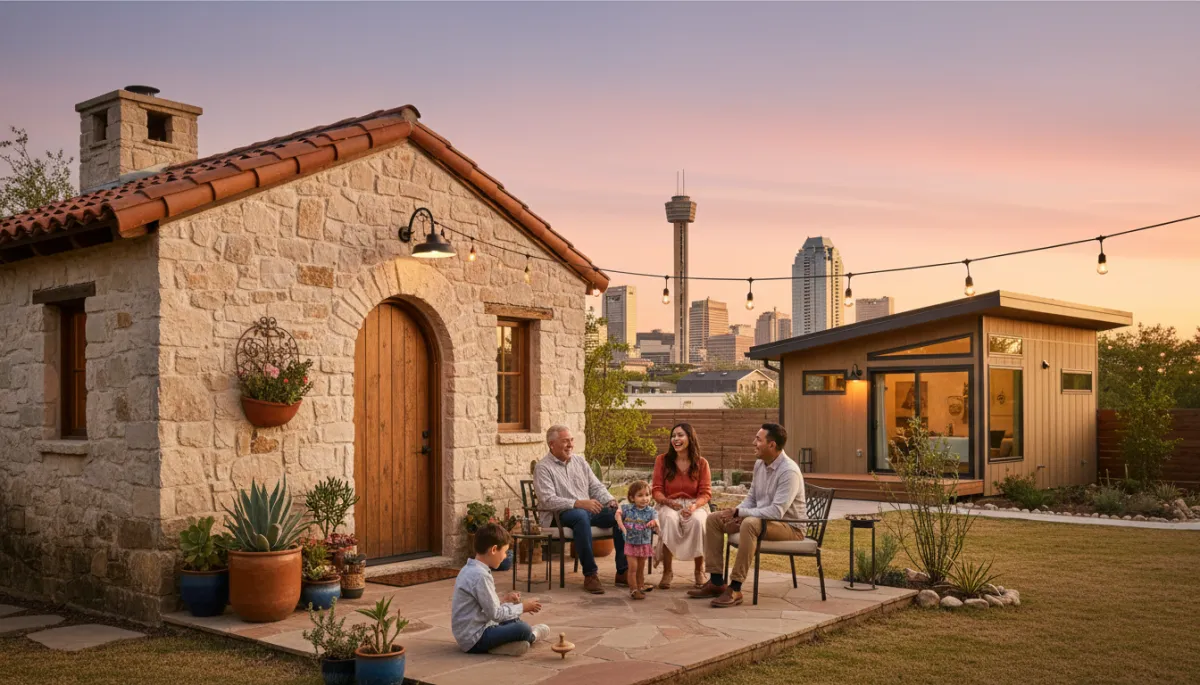
San Antonio Casitas: Reviving Multigenerational Living
San Antonio Casitas, Multigenerational Living, Backyard ADUs, Tiny Homes, Family Traditions
The San Antonio Casita Tradition: The Way Families Used to Live – and Why It’s Coming Back
Everyone is calling it a trend.
Tiny homes. ADUs. Backyard casitas. Multigenerational living. Real estate publications are writing about it like someone finally invented something brilliant. Like it took a housing crisis and a viral video to teach us that families might actually want to live near each other.
But if you grew up in San Antonio - especially on the south side - you already know this is not a trend.
This is memory.
This is Sunday dinners and screen doors and a grandmother who always knew when something was wrong before you said a word. This is how families in this city lived for generations, and how many still do. And the rest of the country is just now catching up to what San Antonio never fully let go of.
The casita tradition is not new. But the conversation about why it matters - and why we should bring it back - is one worth having out loud.
This Is About More Than Real Estate. Let's Talk.
Whether you are thinking about adding a casita for family or just want to understand what your property could do, I am here for that conversation.
Call or Text: (210) 985-7940
Email: [email protected]
Free Home Valuation: https://homevalue.gritgirlrealtor.com/
Linktree: https://linktr.ee/cheri.ettinger
Website: gritgirlrealtor.com
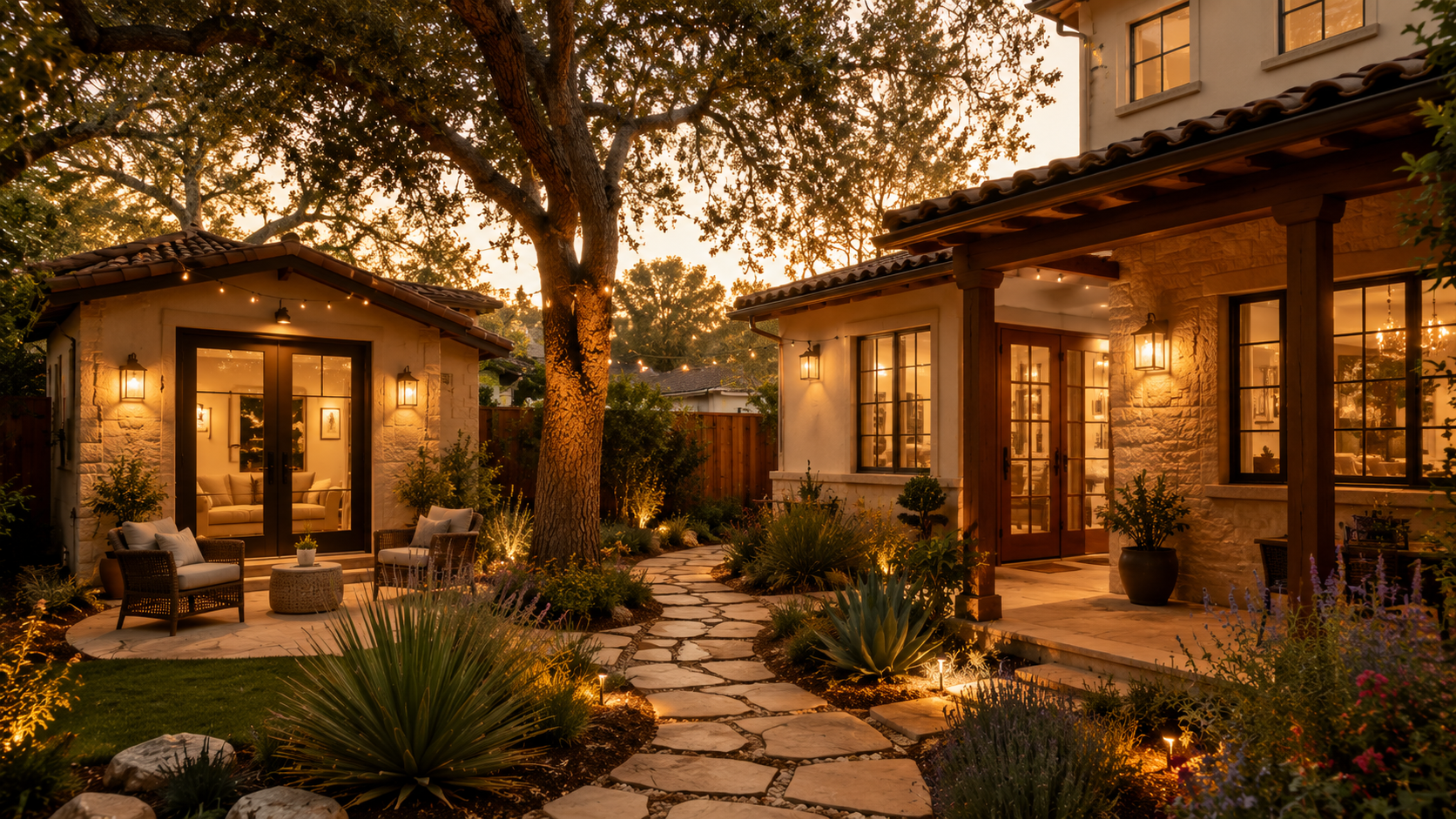
What San Antonio Already Knew
Go back two or three generations in almost any San Antonio family with roots here and you will find the same arrangement.
A main house. A small casita in the back. A grandmother in one, her daughter's family in the other. Children moving freely between both. A grandfather teaching a grandchild something in the yard that he learned from his grandfather. Food shared between both households every single night.
This was not a compromise or a financial necessity that people made the best of. This was the intention. Families built this way on purpose because they understood something that the modern American housing model slowly trained us to forget: raising children well takes more than two people. And aging gracefully takes more than money.
The older generations stayed close because their presence was the gift. They were not a burden to be managed from a distance. They were the center of the whole operation.
Abuela was not in a facility across town. She was twenty feet from the back door. She knew every teacher, every friend, every hard phase her grandchildren went through. And she helped carry it - in ways that no daycare or after-school program could replicate.
That is the casita tradition. And San Antonio's south side never stopped living it.
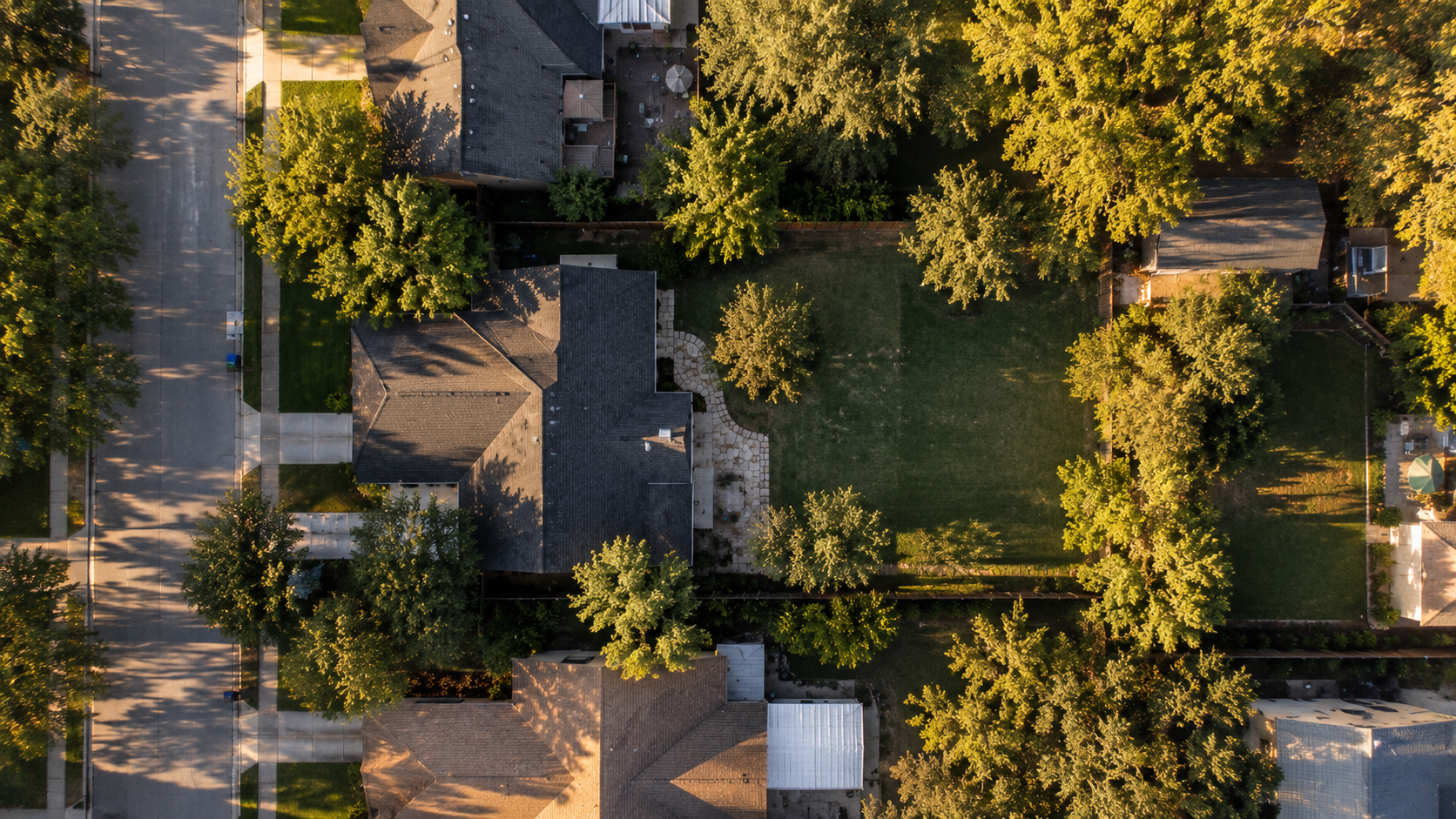
The South Side Still Knows
Drive through the older neighborhoods on the south side of San Antonio today and you will still see it.
Properties with small secondary structures. Yards where multiple generations clearly share the same space. Extended family living arrangements that did not require a new housing trend to justify them - just a family that understood the value of staying together.
This is not poverty. This is not people making do. This is a choice rooted in a deep understanding of what family actually requires.
In many Latino and Hispanic households throughout San Antonio, multigenerational living was never seen as a step backward. It was the natural order of things. You built your life close to the people who raised you. You let your children grow up knowing their grandparents as daily presences, not occasional visitors.
The wisdom of that arrangement shows up everywhere if you look for it. In kids who are more grounded because multiple adults invested in who they are. In grandparents who stayed sharp and purposeful well into old age because they were still needed. In families who survived hard times because they were not each trying to hold up the world alone.
If your family is thinking about a casita arrangement, I would love to help you explore whether it is possible on your property. Call (210) 985-7940.
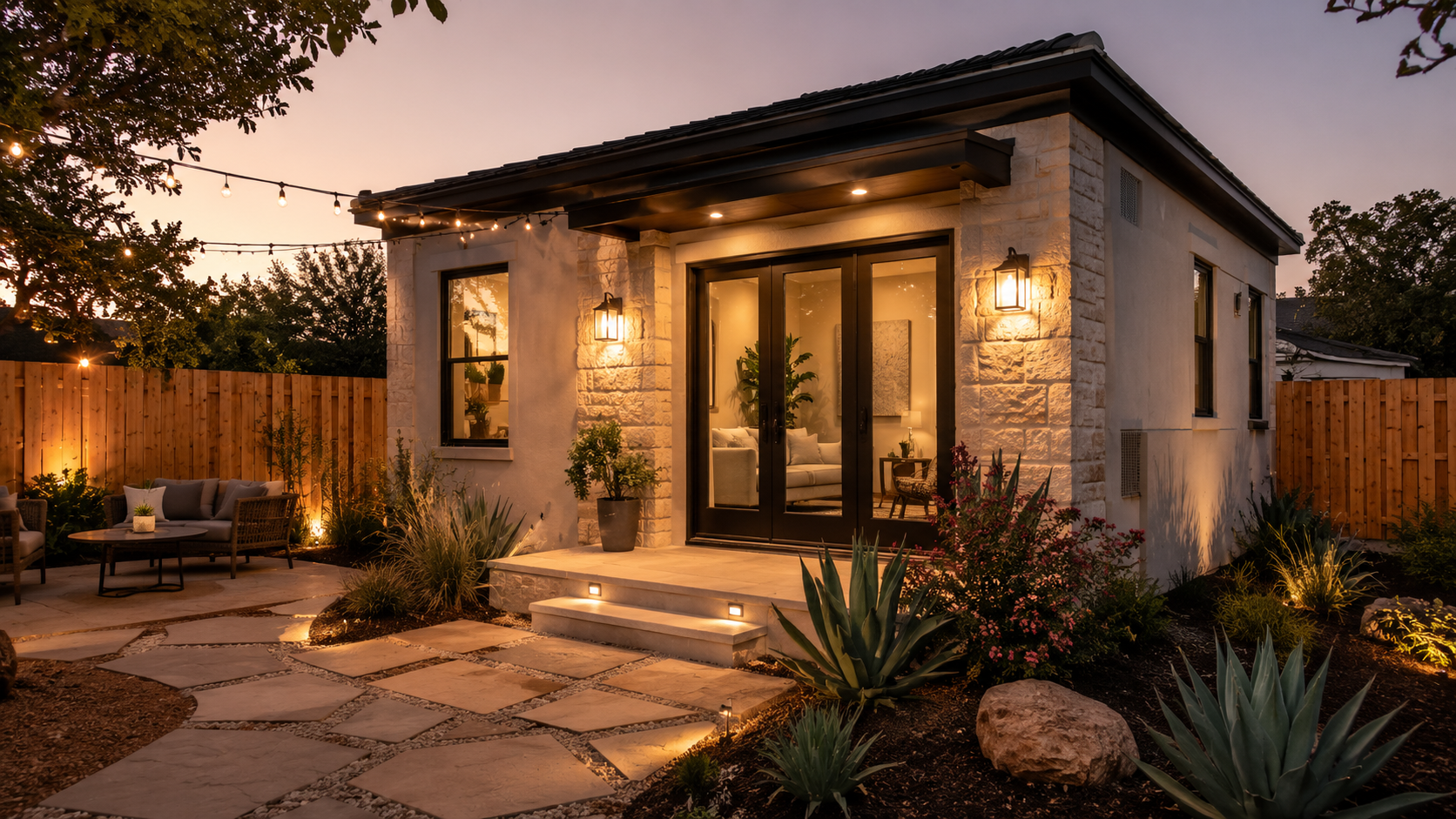
What We Lost When We Stopped Living This Way
At some point, the American version of success got redefined in a way that slowly dismantled this.
Get out at 18. Build something on your own. Do not need people. Move wherever the opportunity is. Figure out the rest later.
And we started measuring maturity by how far we could get from the people who raised us. Needing family became something to apologize for. Multi-generational households became something people explained rather than celebrated.
But look at what that actually cost us.
Young parents spending 20 to 30 percent of their take-home pay on childcare - sometimes more - because there was no grandmother down the path. Children growing up with their grandparents on FaceTime instead of in the kitchen. Elderly parents in assisted living facilities, lonely and disconnected, because nobody had the space or the setup to keep them close. Adult children priced out of homes anywhere near where they grew up, forced to start over in cities with no roots.
We traded something irreplaceable for an idea of independence that turned out to be lonelier and harder than anyone advertised.
And the kids grew up without what the kids on the south side of San Antonio still have: a web of people who love them watching out for them every single day.
We should not be pushing our kids out the door at 18 and calling it growth. Sometimes keeping them close - letting them build their lives in a place that already has their roots - is the smarter, healthier, and more honest thing to do.
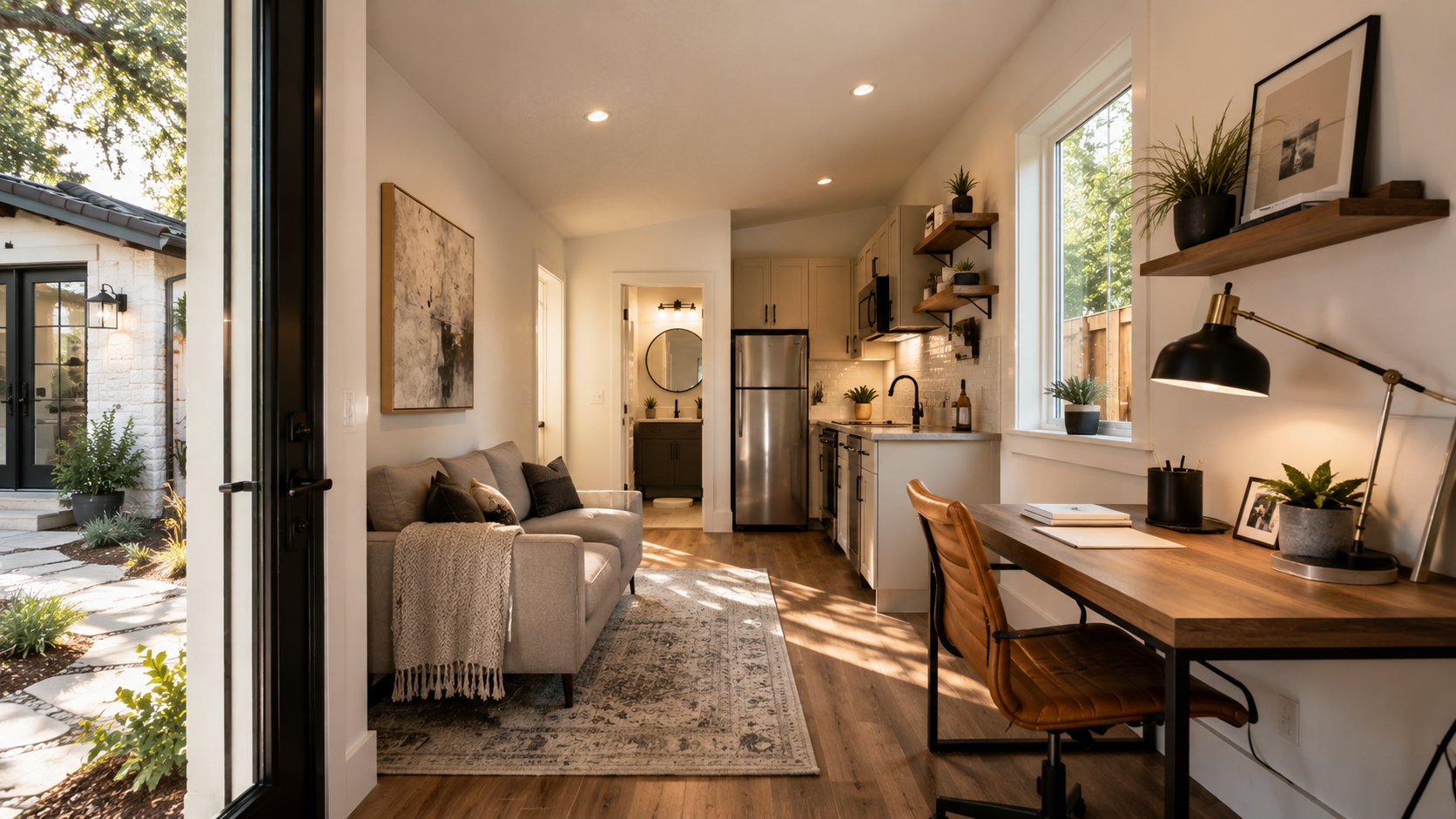
What Children Actually Get When Generations Stay Close
This is the part that gets missed in every financial conversation about ADUs and casitas.
Yes, a backyard casita generates rental income. Yes, it adds property value. Yes, it solves a housing problem.
But here is what it actually does for children.
Children who grow up in multigenerational households have more adults who know them well. More people who show up when something goes wrong. More models of what a full life looks like across different stages. More stories, more patience, more of the kind of investment in who they are becoming that two exhausted working parents alone cannot always provide.
Grandparents who live close are not babysitters. They are a living inheritance. They pass down things that do not have a price - language, history, recipes, values, the particular way a family prays or celebrates or gets through hard things together.
That is what the casita tradition was always protecting.
Not just housing. Family.
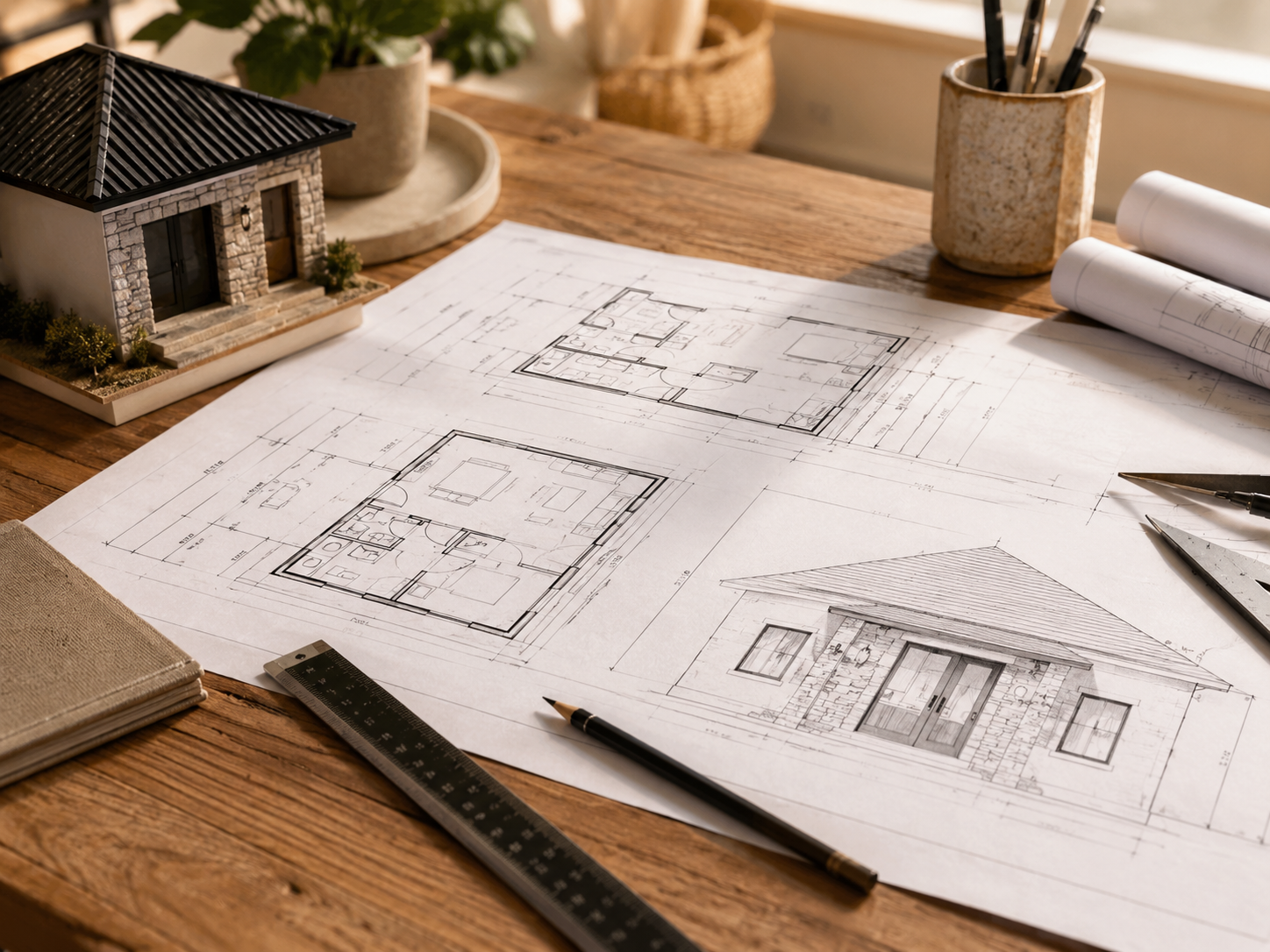
Why It's Coming Back
People are not building backyard casitas because some influencer made it look good.
They are building them because they are tired. Tired of childcare costs that eat the second income whole. Tired of the guilt of putting parents in facilities they hate. Tired of adult children drowning in rent on the other side of the country. Tired of raising kids in a house where everybody is always just barely managing.
They are remembering, slowly, that there was a better way. And they are building back toward it.
The housing market is part of it. When buying a separate home near family costs $300,000 or more, the $80,000 to $150,000 cost of building a backyard casita starts looking like the most sensible option anyone has put on the table.
But the financial logic is really just permission. What people actually want is what San Antonio's south side never gave up. Family close. Kids with their people around them. Grandparents still part of daily life.
The casita is just the structure. What it holds is everything.
What This Looks Like in Practice Today
San Antonio permits ADUs on most single-family residential lots. Up to 800 square feet, or up to half your main home's square footage - whichever is larger. Two stories maximum. Located in the back or side yard. You, as the owner, must live in the main house or the casita.
That last rule is not a restriction. It is the point. This is designed for families. For real living arrangements. For people who want their parents twenty feet away instead of twenty miles.
A well-designed 600 to 800-square-foot casita is a full, comfortable living space. A private bedroom. A real kitchen. A bathroom. Enough room to have your own life while being exactly close enough.
If you own a home in San Antonio and you have been thinking about this - for your parents, for your adult kids, for a grandparent who needs to be near family but still wants independence - the question worth asking is whether your property makes it possible.
Most people are surprised by the answer.
FAQ: The Casita Tradition and Multigenerational Living
Is multigenerational living actually better for children?
Research consistently shows that children in multigenerational households benefit from having more invested adults in their lives. They tend to have stronger social skills, more resilience, and deeper family connections. The grandparent relationship plays a role in emotional development that is distinct from what parents alone can provide.
What if my parents want their independence but need to be close?
That is exactly what a casita is designed for. A separate entrance, a separate kitchen, a separate living space - your parents are not in your house. They are on your property. The difference matters enormously to everyone's sense of dignity and privacy.
Is it hard to get approval to build a casita in San Antonio?
The permitting process exists and requires planning, but San Antonio has made ADUs accessible for most single-family lots. Working with a contractor who has done ADU work in the city, and doing a zoning verification upfront, makes the process straightforward. The first step is knowing whether your specific lot qualifies.
What if I want to pass the casita to my adult child eventually?
This is a conversation worth having with a real estate attorney, but the property as a whole can be structured in ways that account for long-term family plans. The casita does not have to be a temporary solution. Many families build them with permanence in mind from the start.
What is the first step if I am seriously considering this?
Talk to me. I will look at your lot, your zoning, and your specific situation and tell you what is actually possible. No charge for that conversation. It takes about five minutes and gives you a real answer instead of a guess.
The Way We Were. The Way We Can Be Again.
San Antonio did not invent this. Families all over the world have always understood that raising children and honoring elders works better when everyone stays close.
But San Antonio held onto it longer than most. And the south side still shows the rest of us what it looks like when a community decides that togetherness is worth building around.
The casita tradition is not something we need to import from a housing trend or a real estate publication. It is something we already had. Something we can choose to come back to.
If you are ready to have that conversation about your property, I am here.
Call or Text: (210) 985-7940
Email: [email protected]
Free Home Valuation: https://homevalue.gritgirlrealtor.com/
Linktree: https://linktr.ee/cheri.ettinger
Website: gritgirlrealtor.com
Cheri Ettinger | REALTOR ABR, PSA, RENE, NHC, NHSAC Option One Real Estate | San Antonio & Texas Hill Country